Schools and daycares ask a lot of their carpets. They cushion falls, soften echoes in busy rooms, keep little knees off cold floors, and dampen the thud of chair legs. They also absorb everything that life with children brings: snack crumbs, glitter, dry-erase dust, sandbox grit, tracked-in soil, and the occasional upset stomach on a rainy day. The right carpet cleaning practices support health and learning; the wrong ones invite odors, stains that set, and more sick days. Safety isn’t a slogan here, it is the filter for every decision about chemistry, timing, equipment, and protocol.
Why carpet care in child-focused spaces is different
Traffic patterns in a first-grade hallway have a rhythm you can almost hear: morning rush, mid-morning bathroom line, lunchtime stampede, afternoon dismissal. A daycare nap room has a very different pattern, quiet and static for hours, then bursts of play. Carpets handle millions of footsteps per year in these settings. Multiply that by small hands that often find the floor and you get a higher bar for hygiene and residue management than in an office.

Children are closer to carpets, literally. Crawlers and toddlers spend a large part of their day on the floor. That changes the risk profile. Any leftover detergent, fragrance, or disinfectant can transfer to skin, be inhaled, or hand-to-mouth ingested. If you have ever watched a two-year-old lick a toy that just rolled under a bookshelf, you understand why residues matter more here than in a corporate boardroom.
The other difference is communication and trust. Teachers, parents, and facility managers watch closely. They will notice if hallways smell like perfume or if a classroom remains damp the next morning. A professional carpet cleaning service that works in schools knows they aren’t just cleaning fibers, they are supporting a community expectation: safe, low-odor, low-disruption care that respects routines and allergies.
The hygiene science behind school carpets
Most of what harms carpets is dry soil. Tiny quartz-like particles act like sandpaper, cutting fiber tips and dulling color. In a typical elementary school, 70 to 80 percent of carpet soil by weight is dry and removable by vacuum. Skipping or underpowering dry soil removal before wet cleaning means you create mud in the pile and push grit deeper. The result is faster wear and more frequent deep cleans.
Moisture management is the second pillar. Microbial growth loves a wet, closed environment. When hot-water extraction is used without adequate drying, you can end up with a classroom that smells musty by lunch. Quick vacuum pass, controlled water application, high-efficiency extraction, and accelerated airflow are the basic sequence for keeping microbial risk down and keeping rooms usable.
Finally, chemistry matters. Carpet fibers in schools are commonly solution-dyed nylon or polypropylene. They tolerate water-based cleaning well but react differently to strong alkalinity, oxidizers, or solvents. A neutral to mildly alkaline pre-spray paired with a thorough rinse is safer for fibers and for the occupants who return to that room in a few hours. Enzymatic spotters help with protein-based accidents, but they must be rinsed and fully extracted. Oxygen-based boosters are useful on organic stains, but dosage and dwell time must be tightly controlled to prevent color loss, especially on printed or piece-dyed carpets in older buildings.
Choosing a carpet cleaning service that puts safety first
Not every carpet cleaning service is built for child-centered spaces. Ask pointed questions, not just about price or square footage, but about process and verification. The contractors that do well in schools have a predictable pattern: they lead with risk controls, they describe their chemistry plainly, they talk about airflow and moisture, and they volunteer their re-entry times without being asked.
Look for frontline supervisors who can explain how they stage rooms, where they set air movers, and what their daily moisture readings show. If the person you speak with has to “check back” on basics like dwell time or rinse extraction, keep looking. Certifications help, but evidence of routine, repeatable, and measured practice will tell you more than a logo on a van.
A day in the life: what safe looks like in practice
Consider a K-2 wing with six classrooms, a resource room, and a short corridor. The bell rings at 3:15. By 3:45, desks are stacked, chairs are up, and teachers have identified two recurring trouble spots near the reading carpet and the sink. A crew of three arrives, already briefed.
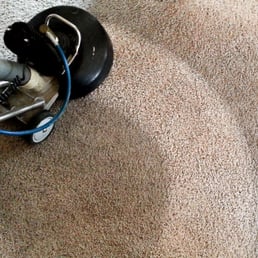
One tech does high-efficiency vacuuming with a dual-motor upright, hitting edges and under cubbies with a crevice tool. Another pre-sprays traffic lanes with a diluted, certified low-residue cleaner and treats the sink area with an enzyme spotter for milk and juice drips. The third tech stages radial airflow, placing air movers so they cross-ventilate without blasting dust into book bins. They allow 5 to 10 minutes of dwell time, then extract with a truckmount set for moderate heat and strong vacuum, followed by a slightly acidic rinse to neutralize any alkalinity. They leave the fans running, close the doors with a simple sign that says “Drying, please enter at 7 a.m.” and text a moisture reading to the custodian before they leave. At 6:45 the next morning, the custodian checks the carpet with a hand moisture meter, it reads at background levels, fans go back to the closet, and students return to a fresh, dry room. No perfumes, no slick spots, no mystery damp patches.
That workflow is not flashy, but it is what safety looks like: predictable steps, controlled moisture, verified outcomes.
Methods compared, with child safety in mind
Hot-water extraction, often called steam cleaning, remains the gold standard for restorative work when done correctly. It physically removes soil and residues and can reset crushed pile with careful grooming. The safety hinge is drying time. In schools, the aim is six hours or less to reach pre-clean moisture levels. That means lower water flow wands, more vacuum passes, and a deliberate air movement plan. Avoid fragrance additives and defoamers that linger, especially in infant and toddler rooms.
Low-moisture encapsulation excels for interim maintenance between deep cleans. A polymer-based cleaner suspends soil, then dries to a brittle residue that vacuums away in the next few days. Encapsulation keeps rooms available faster and reduces the risk of over-wetting in older buildings with marginal HVAC. For nap rooms, avoid aggressive agitation that can fuzz delicate fibers, and verify that your polymer is non-residual after vacuuming, with no tackiness that might attract dirt or stick to small hands.
Dry compound cleaning uses absorbent granules that carry soil away. It is helpful in sensitive areas where water is a concern, but granules must be thoroughly removed. In preschool rooms with sensory bins and toys, stray granules can become a choking hazard if left behind. Only use compounds that vacuum out fully and do a final pass with a HEPA backpack vacuum to keep particulates down.
Bonnet or pad cleaning can brighten a room quickly but risks spreading soil and leaving residues if used as the only method. If a vendor proposes bonnet as the primary approach for a school, ask them to explain how they prevent soil redistribution and how they verify residue removal. In most education settings, bonnet should be a targeted tool for specific spots, not the default.
Chemistry and the allergy equation
Fragrance-free is not a trend, it is a policy that prevents avoidable allergic reactions and sensory discomfort. A good carpet cleaning service selects low-VOC products, ideally with third-party certifications, and keeps a short, well-understood chemical list. Pre-sprays should carpet cleaning rinse clean, and spotters should match the stain class: protein, oil, tannin, dye. Solvent spotters have a place for gum or sticky residues, but they should be isolated, well-ventilated, and never used where toddlers crawl within hours.
pH control matters more than most people think. Run too alkaline for too long and you leave carpets inviting to rapid resoiling, plus you risk dye instability on some older installs. A slightly acidic rinse, often around pH 2 to 4, resets the carpet and strips leftover detergents. In sensory classrooms where students might chew on fidget items that contact the floor, the difference between a true rinse and a perfumed cover-up shows up as either no smell or a synthetic masking odor. Aim for no smell.
Disinfection on carpets is often misunderstood. Broad-spectrum disinfectants and sanitizers are formulated for hard, nonporous surfaces. Carpets are porous, which limits claims. Overuse of disinfectant on carpets can leave residues without delivering the expected microbial reduction. Focus on soil removal and fast drying, which reduces microbial load naturally. For vomit or fecal incidents, follow a defined bodily fluids protocol with PPE, containment, removal, clean, rinse, and dry, and use an EPA-registered product with soft-surface labeling only in the immediate zone after gross contamination is removed.
Scheduling around learning, not the other way around
The school calendar is a tool. Summer provides restorative windows for deep extraction, carpet repairs, and broad stain work. Winter break is perfect for corridors and media centers where airflow is easy to control. Late afternoons handle classrooms in rotation with clear re-entry by morning, and Fridays allow an extra day of off-gassing and final vacuuming. Testing periods, parent nights, and performances belong on the cleaning calendar too, so nobody is setting up a choir riser on damp carpet.
Communication reduces friction. A simple weekly note to custodial leaders listing areas serviced, products used, and any rooms that require extra time builds trust. Teachers appreciate a heads-up if chairs need to be off floors by a set time. Parents notice when entry rugs look crisp and hallways do not smell like deodorizer on Monday morning.
Maintenance that stretches budget and fiber life
Budgets in education are public, scrutinized, and finite. The smartest dollars go to prevention and routine. Keep entrances clean and you cut deep-clean frequency. Deploy the right vacuum and you protect fiber tips. Rotate interim encapsulation with periodic extraction and you avoid the feast-or-famine cycle that wears carpets out.

A practical cadence for a typical elementary school might look like this: daily or near-daily vacuuming in corridors and entries; weekly vacuuming in classrooms, with edges addressed biweekly; quarterly low-moisture encapsulation in traffic lanes; semiannual hot-water extraction in classrooms and corridors; targeted spot treatment as needed, same day if bodily fluids are involved. Adjust up or down based on foot traffic, local weather, and the age of the carpet.
If carpet tiles are installed, leverage their design. Replace heavily damaged tiles instead of repeatedly assaulting them with chemistry. Keep a small attic stock labeled by dye lot to prevent checkerboard effects. For broadloom, protect transitions and seams, because wicking and seam-splitting often start where two pieces meet.
2500 Bay Point Ln, Osage Beach, MO 65065
(573) 348-1995
Website: https://steamprocarpet.com/
Ventilation, drying, and IAQ
Indoor air quality connects directly to drying. A room that dries in three hours feels different than a room that is still damp the next morning. Air movement is the first lever. Set fans so air crosses the carpet surface without disturbing papers or bulletin boards. In older buildings with limited HVAC control, propping doors and using corridor airflow can cut drying time dramatically, though security policies may require a custodian nearby. When weather allows, a cracked window creates a pressure path that speeds drying and reduces humidity that would otherwise drift into ceiling tiles.
Measure, do not guess. A simple non-invasive moisture meter provides readings that guide decisions. Many schools keep one on the custodian’s cart. If a carpet is not trending dry as expected, extend airflow, add a dehumidifier, or reduce evening cleaning volume so fewer rooms are damp simultaneously. This small discipline prevents odors and keeps IAQ complaints off the principal’s desk.
Training and background checks in child environments
A carpet cleaning service in a school is not an anonymous night crew. They are guests in a child-centered workplace. It matters that technicians pass background checks, carry ID, understand pick-up and drop-off traffic patterns, and know the difference between a fire alarm and a lockdown signal. A short orientation teaches where to stage hoses safely, how to cone off a hallway so that an aftercare line does not trip, and who carries keys.
Spills happen, questions come up, and locked rooms complicate the schedule. A good crew knows when to call the custodian, when to stop and document, and how to secure a space until a supervisor arrives. This situational awareness is as much a safety practice as chemical selection.
Managing stains and the realities of kid life
Milk spills that sour under a reading rug, glitter glue smeared into a corner, blue tempera tracked from the art room, sunscreen footprints near the playground door, these are not theoretical. Tackle protein spills quickly with an enzyme pre-treatment followed by rinse extraction. For craft adhesives, a citrus-based solvent may loosen residue, but always test in a closet corner and ventilate well. Tempera and watercolor stains respond to oxygen boosters, used at label rates and rinsed thoroughly. Sunscreen often contains oils and titanium dioxide, which require a gentle solvent step, then a detergent rinse to avoid wicking rings.
Gum responds to two routes: freeze and chip, or soften with a gel solvent and lift. With young children around, the safer choice is to isolate the area, freeze and remove, then re-clean the spot, rather than leaving any solvent traces. Mark small treated spots with a folded index card and a piece of painter’s tape, not a cone that invites curious hands.
What principals and facility managers should ask vendors
Use a short, consistent set of questions to evaluate carpet cleaning services. The goal is to reveal how they think, not to trap them. Ask them to describe a recent school project, how they staged it, how long drying took, and what changes they made after the first day. Request their product list with Safety Data Sheets, and ask which products they avoid in classrooms and why. Have them specify their vacuum type and filter class. See if they can talk about moisture readings and air movement in practical terms. A vendor who answers fluently signals habits built for school environments.
Here is a concise vendor checklist you can keep on hand:
- Provide proof of background checks and on-site ID procedures. List cleaning chemicals with certifications and SDS, and confirm fragrance-free options. Explain drying targets, airflow equipment, and how re-entry is verified. Outline incident response for bodily fluids, including PPE and containment. Share a sample communication log showing rooms serviced and moisture verification.
Budget clarity without surprises
Most carpet cleaning quotes are based on square footage and method. In schools, variables include furniture movement, access timing, and security requirements. Chairs up on desks by staff save time and reduce cost. If your team cannot stage rooms, budget extra labor. Aftercare programs limit access until later in the evening, which compresses production rates. Stairwells, ramps, and elevators affect hose runs and setup time. Spell out these constraints upfront and ask the vendor to show production rates with and without staging support. Transparency here avoids late-night change orders and strained relationships.
Consider an annual agreement that bundles interim maintenance and restorative cleans. The fixed rhythm levels cost and gives both sides a calendar to work from. Include a contingency line for emergency spot work, especially in early fall and late winter when accidents spike.
When carpet should be replaced, not just cleaned
Cleaning cannot fix UV-faded dye, delamination, or safety hazards like rucked seams. If a corridor shows exposed backing in the center strip, or if the pile has lost its twist and crushed into a uniform mat, it may be time to replace. Look for dark shadowing that returns hours after cleaning, a sign of subfloor contamination or persistent wicking from the backing. In some older buildings, leaks have left hidden mineral deposits that continue to rise with each wet clean. A strategic replacement of a few hundred square feet in a doorway can save thousands in repeat call-backs.
For daycares serving infants, consider replacing any carpet that has absorbed frequent formula or spit-up incidents when odors persist after proper cleaning and drying. At a certain point, hygiene and dignity argue for new material.
The quiet wins that good carpet care delivers
Teachers notice when their room smells like nothing in the morning. Nurses notice fewer visits for headaches after carpets are kept fragrance-free. Parents notice clean entry mats and the absence of sticky patches under tables. Custodians notice that their evening routine does not involve chasing a wet smell down a hallway. Less visible, but just as real, is the longer life of the carpet and the freed budget that can go to books or equipment instead of premature floor replacement.
Safe carpet care is the sum of a hundred small choices: the right vacuum, a measured dwell time, a fan set at the correct angle, an enzyme chosen for the job, a rinse that leaves no shine. A professional carpet cleaning service that understands schools makes those choices predictably. The result is a floor that quietly does its job, day after day, while children do theirs.